Domestic Flights in the Philippines: Cebu Pacific vs AirAsia vs PAL (2026)
How to survive delays and choose the best airline for your domestic flights in the Philippines in 2026. Our honest, unfiltered comparison.
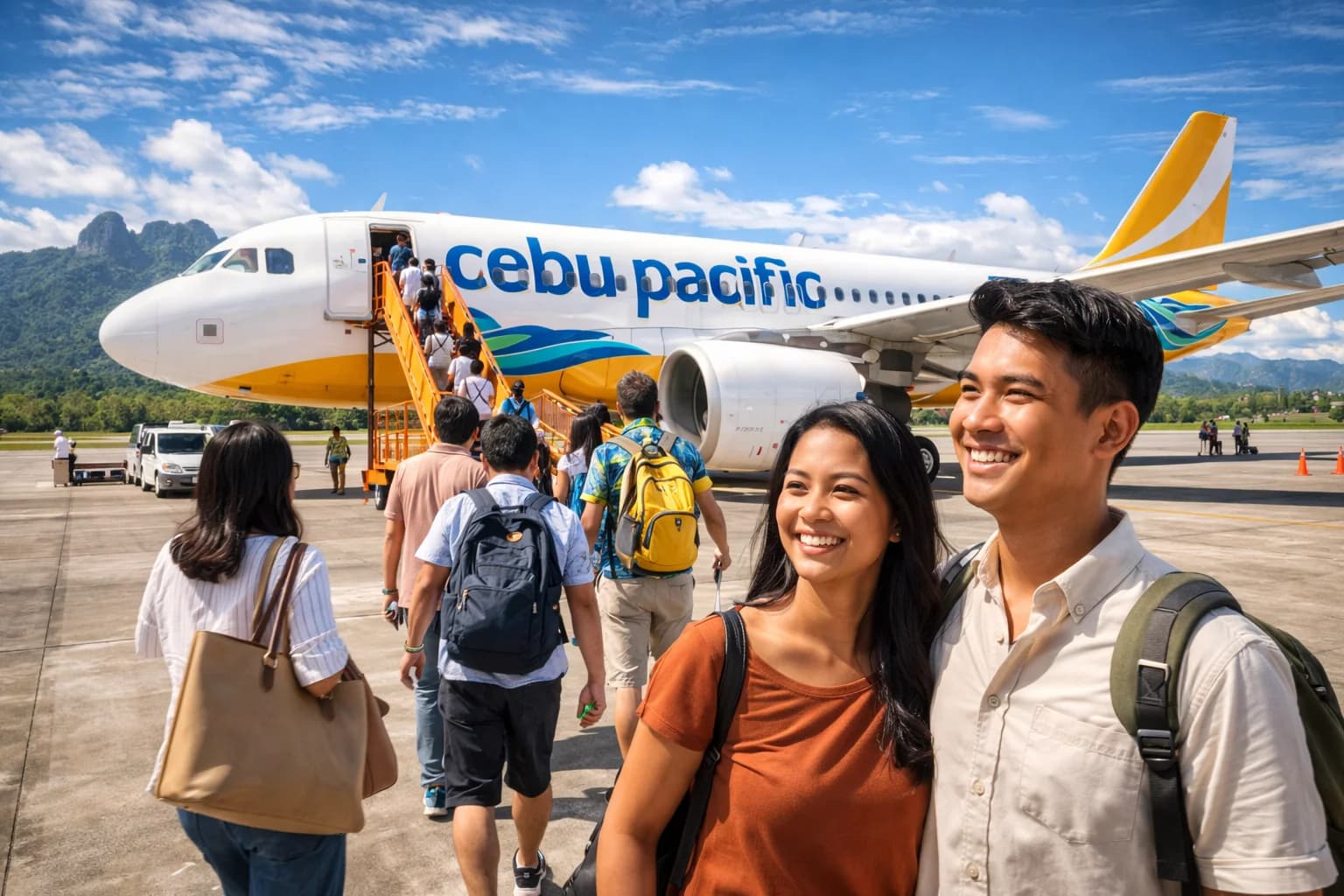
Domestic Flights in the Philippines: The Cebu Pacific vs AirAsia vs PAL Match (2026)
With its 7,641 islands, hopping from one stage to another without a plane in the Philippines is almost impossible (unless you have months of vacation). But between the low-cost airlines with surcharged baggage and the national carrier, which should you choose for your domestic flights in 2026?
We take about fifteen domestic flights each year. No more urban legends about constant delays and "Filipino Time". Here is the cold, pragmatic reality of Philippine air transport, with our exclusive ranking of the best (and worst) practices.
1. The Aerial Trident: The 3 Giants of the Skies
On almost all domestic routes, you will be dealing with three main players.
💛 Cebu Pacific (CEB): The Low-Cost Monster
It is the yellow airline that everyone loves to hate, but that everyone ends up taking because its prices break the market.
* The Fleet: Ultra-modern (A320neo, A330neo), it is one of the youngest fleets in Asia.
* The Network: Gigantic. They land absolutely everywhere, from Siargao to the far reaches of Mindanao.
The Trap: The Promo Fare* (ticket often sold for $15) includes literally NOTHING. Everything comes at an extra cost: the seat, water, checked baggage (paid 5x more if added at the airport).
* The Advice: Always pay the GO Flexi bundle if you have luggage. Their flight attendants are ruthless about the 7kg limit in the cabin.
🔴 AirAsia Philippines (Z2): The Aggressive Challenger
The Philippine subsidiary of the Malaysian giant.
* The Style: A pure, hard low-cost carrier, extremely similar to Cebu Pacific, but often with a more user-friendly mobile app.
* The Price: Sometimes superb "Piso Sales" (1 peso tickets, excluding taxes).
* The Network: More limited. They run excellent rotations on the "big" routes (Manila-Cebu, Manila-Boracay) but serve fewer remote islands.
* The Advice: They widely use Terminal 4 in Manila (NAIA). This terminal is a simple hangar without amenities, so plan to eat beforehand!
💙 Philippine Airlines / PAL Express (PR): The "Premium"
The historic national airline aims to be the "Full Service" option.
* The Style: No grotesque surprises with baggage supplements (generally included depending on the fare), water or a small snack offered. More spacious planes.
* The Price: Quite expensive in the high season, but sometimes competitive outside school holidays, especially if you travel heavy.
* The Network: Solid, often operates from the prestigious Terminal 1 or Terminal 2 in Manila (much less chaotic than T3).
* The Expats' Verdict: The choice for peace of mind if the price difference with Cebu Pacific is only $10 to $20.
---
2. AirSWIFT and Sunlight Air: The Boutique Airlines
If you go to El Nido (Lio Airport, Palawan) or to some isolated terminals in Busuanga (Coron), you will come across these two "boutique airlines".
* AirSWIFT: Former monopoly on El Nido. Their small turboprop planes (ATR) offer chic service and directly connect highly touristy hubs like Cebu or Boracay (Caticlan) to El Nido without going through the hell of Manila's airport again. It is extremely expensive (often +$120 one way), but the time saved is monumental.
* Sunlight Air: The rising newcomer. Brand new fleet, and they use an exclusive hub (Clark airport near Angeles City) or private terminals in Manila for a VIP experience without the crowds of NAIA.
---
3. Delays and Cancellations: The 4-Hour Golden Rule
If there is one absolute rule you must memorize for your itinerary, it is this: Never plan an international connection and a domestic flight on the same day with less than a 4 to 5 hour margin.
In 2026, punctuality has drastically improved, but "Domino Effects" remain the norm during the typhoon season (June - November). A single plane delayed by a thunderstorm in Davao at 9:00 AM will push back your 6:00 PM flight departing from Cebu by 4 hours, because it is physically the exact same aircraft operating on a loop.
The Survival Trick: Morning Flights
* Absolutely take the first flights of the day (the 5:00 AM, 6:00 AM, or 7:00 AM slots).
* Why? The plane slept on the tarmac overnight at the Terminal. It therefore hasn't suffered the accumulated delays of the previous day. The punctuality rate for flights before 8:00 AM is over 95%! Evening flights with Cebu Pacific suffer an average of a 1-hour delay.
---
4. Cabin Baggage: The Game of Cat and Mouse
The biggest point of tension at the boarding gate in the Philippines is always the size and weight of your cabin suitcase.
* Universal Rule: 1 cabin bag (max 56cm x 36cm x 23cm) + 1 small personal item (handbag, laptop bag, or small backpack). The total combined weight must not exceed 7 kilograms.
* The Practice: In 80% of cases, if you do your Web Check-in online and print your boarding passes, you will escape the surprise weighing (unless your bag is noticeably gigantic).
* The Danger: If you go through the physical counter, your backpacker bag (e.g., 50 Litres hiking bag) will never pass in the cabin with Cebu Pacific or AirAsia, even if it looks soft. You will have to fork out $60 to $90 in overweight "Fees". Always buy your checked bag online.
---
Conclusion: Which Strategy to Adopt?
For 2026, here is our recommendation:
Plan and book
Useful services to complete your Philippines trip
Always compare the final price and conditions before booking. These are the steps that most often delay a departure.
Compare flights
Search routes and fares to Manila, Cebu or Clark.
Search flights →Book accommodation
Choose a flexible option and keep proof of your arrival address.
View accommodation →Book activities
Compare tours, visits and experiences in Manila, Cebu and Palawan.
Browse activities →Arrange a transfer
Pre-book a ride between the airport and your accommodation.
Compare transfers →Compare a complete trip
An alternative for comparing flights, hotels and transport in one place.
Open Trip.com →Check travel insurance
Review medical coverage and exclusions before departure.
Get a quote →Install an eSIM
Prepare your mobile connection before landing in the Philippines.
View data plans →Prepare your payments
Compare exchange rates and fees before payments or transfers.
Explore Wise →Prepare onward proof
Verifiable reservation solution when your return itinerary is not fixed.
View solution →