Understanding Climate and Environment in the Philippines
Explore the unique climate and environmental challenges of the Philippines and how expats can adapt.
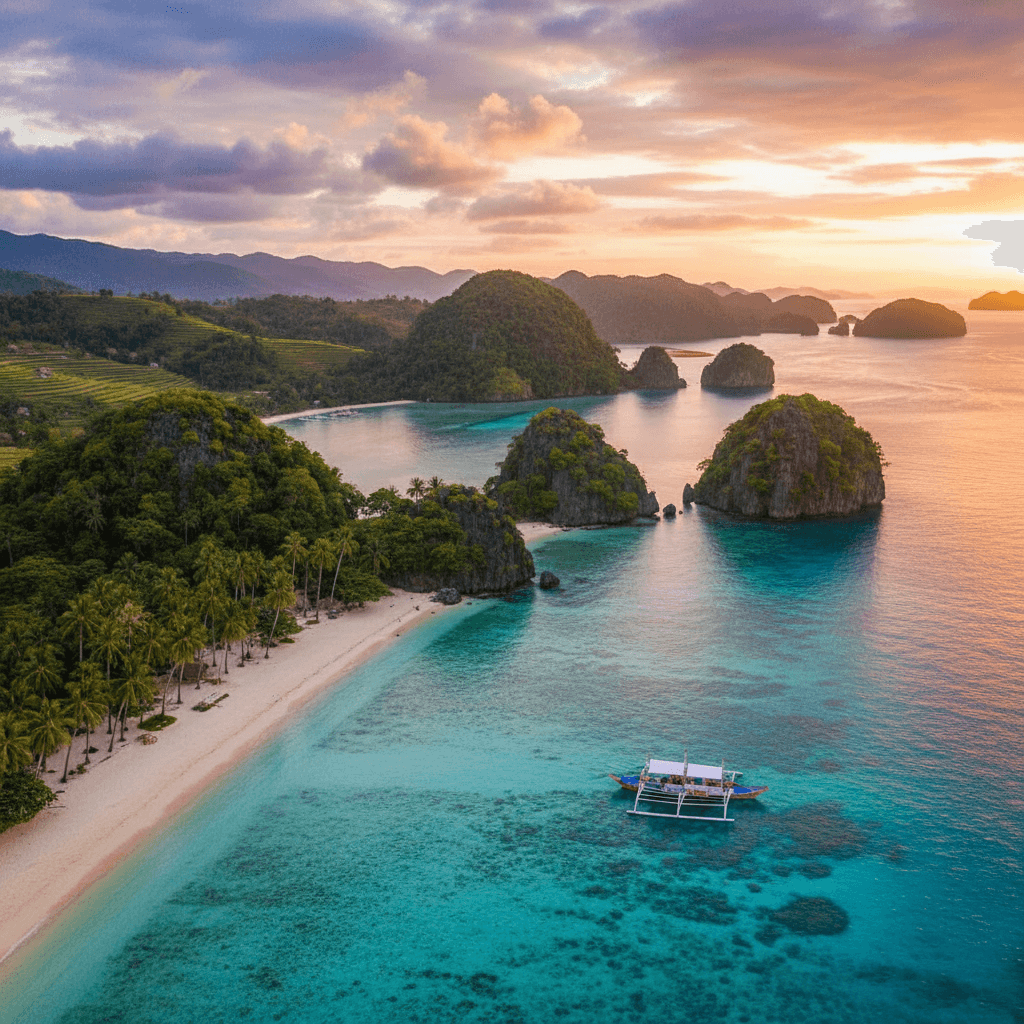
Discovering the Climate and Environment of the Philippines
When moving to the Philippines, one of the first things you'll notice is its breathtaking natural beauty. The archipelago, with over 7,000 islands, boasts an array of landscapes, from stunning beaches to lush mountains. But behind this paradise lies a unique climate and environmental challenges that every expat should understand. Whether you're considering a long-term stay or just passing through, understanding the climate will not only enhance your experience but also help you adapt to life in this tropical haven.
The Tropical Climate: What to Expect
The Philippines is characterized by a tropical maritime climate, which means it's generally warm and humid throughout the year. The country experiences three major seasons:
1. Tag-init (Dry Season): Typically from November to April, the dry season features warm temperatures, with the most comfortable months being December to February. It's the perfect time for outdoor adventures, beach hopping, and exploring the vibrant culture.
2. Tag-ulan (Wet Season): From May to October, the Philippines sees heavy rainfall, particularly in August and September. This season can bring typhoons, which are a significant concern. While the rains can disrupt travel plans, they also nourish the lush landscapes, making them more vibrant than ever.
3. Transition Months: The shoulder months (April and October) often bring unpredictable weather. Expect a mix of sunny days and sudden downpours, so it's best to stay prepared!
Understanding Local Weather Patterns
The Philippines can't be pinned down to a single weather pattern, as the archipelago's diverse geography influences local climates. For instance, the mountainous regions like Baguio enjoy cooler temperatures, making them a popular retreat during the hot months.
Conversely, low-lying areas, particularly in central and southern Philippines, can experience heatwaves during the dry season, with temperatures soaring above 30°C (86°F). Always check the local forecast when planning your activities, as weather can change rapidly.
Environmental Challenges: What Every Expat Should Know
While the Philippines is a dream destination for many, it faces significant environmental challenges that can impact daily life. As an expat, it's crucial to be aware of these issues and how they can affect your stay.
#### Typhoons and Extreme Weather
The Philippines is situated in the Pacific Typhoon Belt, making it prone to typhoons. These storms can bring strong winds and heavy rainfall, leading to flooding and landslides. Staying informed about weather warnings and having an emergency plan is essential for your safety during the typhoon season.
#### Pollution and Urbanization
Rapid urbanization, especially in major cities like Manila, has led to increased pollution and environmental degradation. Air quality can deteriorate, particularly during the dry season when dust and vehicle emissions peak. As an expat, consider using masks or air purifiers at home to mitigate exposure.
#### Biodiversity Loss
The Philippines is known for its rich biodiversity, but deforestation and habitat loss threaten many species. Engaging in sustainable practices, such as reducing plastic use and supporting local conservation efforts, can help protect this unique environment.
Practical Tips for Expats
Navigating life in the Philippines is an adventure in itself! Here are some practical tips to help you adapt to the local climate and environmental conditions:
1. Dress Appropriately: Lightweight, breathable clothing is key to staying cool in the tropical heat. Don’t forget a rain jacket for the wet season!
2. Stay Hydrated: With high humidity and temperatures, it's vital to drink plenty of water, especially if you’re exploring or engaging in outdoor activities.
3. Plan Outdoor Activities Wisely: Schedule excursions for early mornings or late afternoons when temperatures are cooler. During the wet season, be flexible with your plans to avoid heavy rains.
4. Embrace Sustainable Living: Reduce your footprint by recycling, using eco-friendly products, and supporting local businesses that prioritize sustainability.
5. Learn Local Weather Patterns: Familiarize yourself with the specific weather patterns of the region you’re in. Each island or city may have unique climate nuances.
6. Stay Informed: Use weather apps and local news outlets to keep up-to-date with forecasts and possible typhoon alerts.
7. Engage with the Community: Participate in local events or environmental initiatives. This not only helps you connect with residents but also enriches your experience.
8. Explore the Great Outdoors: Take advantage of the Philippines' natural beauty by hiking, diving, or simply enjoying the beaches, but always remember to respect the environment.
Conclusion: Embrace the Beauty and Challenges
The Philippines offers a unique blend of stunning landscapes and vibrant culture, but it’s essential to approach your expat journey with awareness of its climate and environmental challenges. By understanding the local weather patterns and engaging in sustainable practices, you can enjoy everything this paradise has to offer while contributing to its preservation. So pack your bags, and get ready to experience the beauty and excitement of life in the Philippines!
Plan and book
Useful services to complete your Philippines trip
Always compare the final price and conditions before booking. These are the steps that most often delay a departure.
Compare flights
Search routes and fares to Manila, Cebu or Clark.
Search flights →Book accommodation
Choose a flexible option and keep proof of your arrival address.
View accommodation →Book activities
Compare tours, visits and experiences in Manila, Cebu and Palawan.
Browse activities →Arrange a transfer
Pre-book a ride between the airport and your accommodation.
Compare transfers →Compare a complete trip
An alternative for comparing flights, hotels and transport in one place.
Open Trip.com →Check travel insurance
Review medical coverage and exclusions before departure.
Get a quote →Install an eSIM
Prepare your mobile connection before landing in the Philippines.
View data plans →Prepare your payments
Compare exchange rates and fees before payments or transfers.
Explore Wise →Prepare onward proof
Verifiable reservation solution when your return itinerary is not fixed.
View solution →