Apostille for the Philippines: The Complete Guide (What is it and how to get it?)
What is an Apostille? Discover why this legal formality is essential for your documents in the Philippines (marriage, retirement, investment) and how to get it step by step.
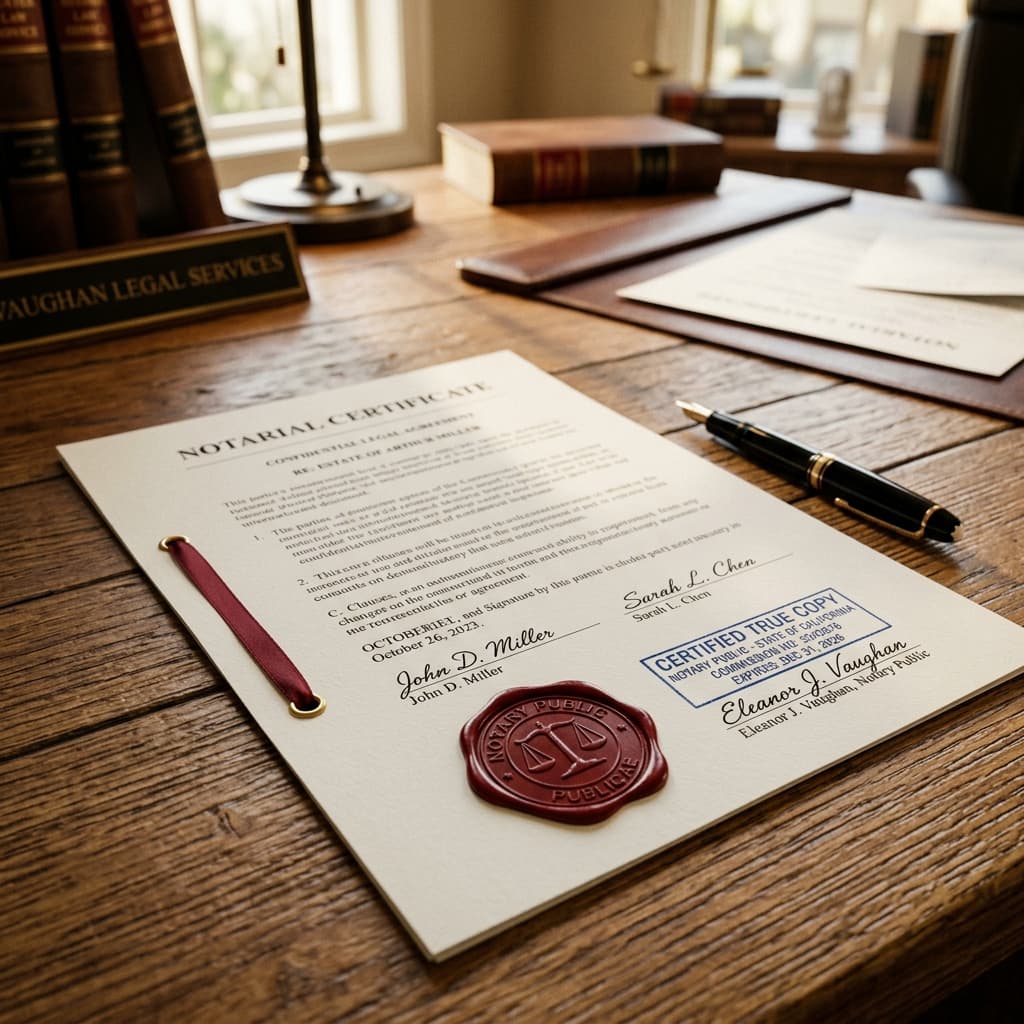
The Apostille: The Administrative Key for the Philippines
Are you preparing your expatriation, a marriage or a real estate purchase in the Philippines? You have surely heard of the "Apostille". But what exactly is it and why has this little stamp become your best friend (or your worst administrative nightmare)?
Forget endless legalization processes! Since the Philippines joined the Hague Convention, validating your official documents has been significantly simplified. Here is our complete guide to understand everything about the Apostille and secure your procedures.
---
1. What Exactly is the Apostille?
The Apostille is an international certification that authenticates the origin of a public document. In simple terms, it's an official seal or stamp applied by the State (your home country) that proves the signature, the capacity of the signatory and the seal on the document are authentic.
Before 2019, if you wanted to use a foreign document (like a birth certificate) in the Philippines, you had to have it authenticated by the Ministry of Foreign Affairs in your country, then legalized by the Philippine Embassy. It was an obstacle course called the "Red Ribbon" system.
Thanks to the Hague Convention, this double authentication process was abolished. A simple Apostille issued in your country is now enough for your document to be 100% valid and legally recognized in the Philippines.
---
2. What is the Apostille used for in the Philippines?
In the Philippines, the Apostille is required to give legal value to your foreign documents. It is absolutely essential in several major scenarios:
* Marriage: To marry a Filipino citizen in the Philippines, the local administration will require your birth certificate and sometimes other attestations (Certificate of No Marriage / Legal Capacity) properly translated and apostilled.
* Retirement Visa (SRRV): If you apply for a permanent resident visa with the PRA (Philippine Retirement Authority), police clearance, medical certificates and documentary proof of retirement must all be apostilled.
* Business and Real Estate: When opening branches, incorporating companies or buying real estate, Powers of Attorney, company statutes and bank statements will need to present this seal.
* Education and Employment: The validation of diplomas and Transcript of Records will require this process.
---
3. How to Get an Apostille? (Step by Step)
The process varies slightly depending on your home country, but the principle remains the same:
In the USA 🇺🇸
The Apostille request is made to the Secretary of State of the state where the document was issued, or the US Department of State for federal documents.
1. Prepare the original: Make sure to have a certified original or a notarized copy.
2. Fill out the form: Download the specific Apostille request form from your state's official website.
3. Send your file: Mail everything (with a return envelope and the processing fee) to the competent Apostille service.
In the UK 🇬🇧 and Australia 🇦🇺
* United Kingdom: The procedure is handled by the Foreign, Commonwealth & Development Office (FCDO). Documents must often be certified by a solicitor or notary public first.
* Australia: The Apostille is issued by the Department of Foreign Affairs and Trade (DFAT) through passport offices in major cities.
---
4. Our Expert Advice
* Sworn Translations: Remember that the Apostille authenticates the original document. If it is not in English, the Philippine authorities will require an English translation. The Apostille should ideally be affixed to the original document AND the sworn translation.
* Plan Ahead: Although the Apostille itself is often issued quickly (a few days to a few weeks depending on the authorities), obtaining the originals and translations takes time. Start these procedures 2 to 3 months before your departure.
* Validity Attention: In the Philippines, a birth certificate theoretically has no expiration date, but administrations (LCR, Immigration) often prefer apostilled documents that are less than 6 months old.
---
The Apostille might seem like an obscure administrative formality, but it is the cornerstone of your legal peace of mind in the Philippines. Without it, your documents have no value before local authorities, which can paralyze all your settlement plans.
👉 Need help preparing for your trip? Ensure you have all your documents (including the mandatory onward ticket) in order before boarding your flight.
Plan and book
Useful services to complete your Philippines trip
Always compare the final price and conditions before booking. These are the steps that most often delay a departure.
Compare flights
Search routes and fares to Manila, Cebu or Clark.
Search flights →Book accommodation
Choose a flexible option and keep proof of your arrival address.
View accommodation →Book activities
Compare tours, visits and experiences in Manila, Cebu and Palawan.
Browse activities →Arrange a transfer
Pre-book a ride between the airport and your accommodation.
Compare transfers →Compare a complete trip
An alternative for comparing flights, hotels and transport in one place.
Open Trip.com →Check travel insurance
Review medical coverage and exclusions before departure.
Get a quote →Install an eSIM
Prepare your mobile connection before landing in the Philippines.
View data plans →Prepare your payments
Compare exchange rates and fees before payments or transfers.
Explore Wise →Prepare onward proof
Verifiable reservation solution when your return itinerary is not fixed.
View solution →