Living in the Philippines: The Complete Expat Guide (Costs, Visas, Best Cities)
Everything you need to know about living in the Philippines: real cost of living, visa options, best cities, healthcare and safety. By expats with 25 years on the ground.
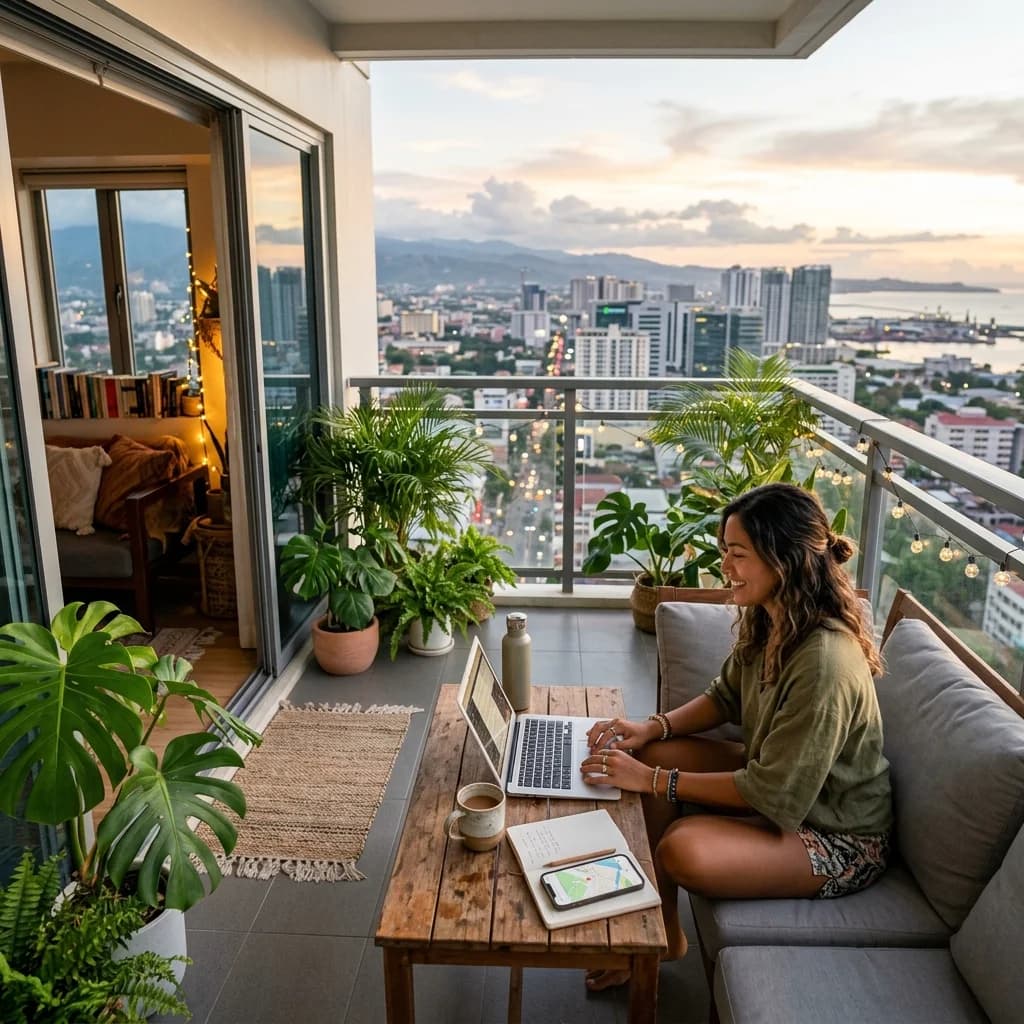
Living in the Philippines: The Complete Expat Guide
Bottom line up front: You can live well in the Philippines for $700-900/month as a single person. A couple can live comfortably for $1,400-2,000/month — that's 60-70% cheaper than Western Europe or North America for a comparable or higher quality of life. This guide tells you everything, the good and the honest.
We're Alain and Christophe, French nationals who have lived in the Philippines since 1999. We've seen typhoons, power outages, political changes and economic booms. We've helped hundreds of expats settle here. This is the real guide — not a travel blog written by someone on a 2-week vacation.
---
🌏 Why the Philippines Over Thailand, Indonesia or Portugal?
This is always the first question. Here's the honest comparison:
| Philippines | Thailand | Indonesia | Portugal |
| --- | --- | --- | --- | --- |
| Cost of living | ⭐⭐⭐⭐⭐ Very low | ⭐⭐⭐⭐ Low (rising) | ⭐⭐⭐⭐ Low | ⭐⭐⭐ Medium |
| Retirement visa | ⭐⭐⭐⭐⭐ SRRV is outstanding | ⭐⭐⭐ Thailand LTR | ⭐⭐ Difficult | ⭐⭐⭐ D7 Visa |
| Official language | ❤️ English | Thai (hard) | Indonesian | Portuguese |
| Healthcare (cities) | ⭐⭐⭐⭐ Very good | ⭐⭐⭐⭐ Very good | ⭐⭐⭐ OK in cities | ⭐⭐⭐⭐ Excellent |
| Natural beauty | ⭐⭐⭐⭐⭐ World-class | ⭐⭐⭐⭐ Beautiful | ⭐⭐⭐⭐⭐ Exceptional | ⭐⭐⭐ Good |
| People / warmth | ⭐⭐⭐⭐⭐ Legendary | ⭐⭐⭐ Reserved | ⭐⭐⭐⭐ Warm | ⭐⭐⭐⭐ Warm |
The decisive advantage of the Philippines: English is everywhere. From day one, you can shop at the market, speak to your doctor, negotiate your lease, understand your neighbors — all in English. In Thailand or Indonesia, we've seen expats still struggling after 5 years. In the Philippines, this is never an issue.
---
💵 Real Cost of Living in the Philippines
These are real numbers from real residents, not estimates from a guidebook.
Housing (Monthly Rent, Furnished)
| Apartment Type | Manila (BGC) | Cebu City | Dumaguete | Beach Areas |
| --- | --- | --- | --- | --- |
| Studio / 1BR | $330-600 | $175-350 | $100-210 | $85-175 |
| 2-Bedroom | $520-1050 | $285-560 | $170-350 | $155-330 |
| Villa with pool | $1300-3500 | $600-1600 | $380-780 | $260-690 |
Note: Utilities (electricity, water, internet) are usually not included. Budget an additional $70-150/month depending on AC use.
Food Costs
Local food ("carinderias" and markets):
Western food (malls, expat restaurants):
Monthly Food Budget Estimates
Utilities and Services
| Service | Monthly Cost |
| --- | --- |
| Electricity (with 1 AC, 8h/day) | $40-85 |
| Water | $4-13 |
| Fiber internet (100-500 Mbps) | $13-26 |
| Mobile data plan | $8-16 |
| House helper (3x/week) | $66-99 |
Complete Monthly Budget Comparison
| Profile | Monthly Budget |
| --- | --- |
| Single, budget lifestyle (province) | $600-850 |
| Single, comfortable (city) | $1,000-1,400 |
| Couple, comfortable (Cebu) | $1,400-2,100 |
| Family with children (private school) | $3,000-5,000+ |
---
🛂 Visa Options for Expats (2025)
Tourist Visa 9A — The Entry Point
Europeans, Americans, Australians and most nationalities arrive with an automatic 30-day visa-free entry. This can be extended locally almost indefinitely.
SRRV — The World's Best Retirement Visa
The Special Resident Retiree's Visa is a permanent residency granted by the Philippine Retirement Authority (PRA). It requires:
Confirm the amount for your profile with the Philippine Retirement Authority before transferring funds.
Benefits:
✅ Permanent residency — no annual renewals
✅ Duty-free importation of personal effects
✅ Multiple entry privileges
✅ No exit fees from the Philippines
👉 Complete SRRV Guide →
Digital Nomad / Long-Stay Options
Since the Philippines doesn't have an official digital nomad visa yet, the best options are:
---
🏙️ Best Cities to Live in the Philippines
Cebu City — Our #1 Recommendation
Why Cebu? The ideal balance of modern infrastructure, natural beauty, international airport, excellent hospitals, and lower cost than Manila. The city has a thriving expat community and a growing tech scene.
Best for: Retirees, digital nomads, families, active expats
Average rent (2BR): $285-560/month
Airport: Mactan Airport — direct flights to Singapore, Japan, Korea, HK
Dumaguete — The Retirees' Paradise
Small university city (150,000 people) with one of the highest English literacy rates in the country. Silliman University Hospital is reliable. The atmosphere is calm, intellectual, and deeply safe.
Best for: Retirees seeking peace and community
Average rent (2BR): $170-350/month
Key fact: One of the highest concentrations of English speakers in Asia
Davao City — The Cleanest & Safest
Under strict governance for 20+ years, Davao is remarkably clean, organized and safe. One of the best fruit markets in Asia (durian, mangosteen, pomelo). Surrounded by mountains and ocean.
Best for: Nature lovers, safety-conscious retirees
Average rent (2BR): $200-430/month
Manila (BGC, Makati) — For the Urban Lifestyle
The country's financial hub. Best hospitals (Makati Medical Center, St. Luke's BGC), best retail, best international flights.
Best for: Business expats, those needing top-tier healthcare
Average rent (2BR): $520-1050/month
---
🏥 Healthcare: What You Need to Know
The Good News
Private hospitals in major cities are genuinely excellent. Doctors are trained in English (often in the US or UK) and equipment is modern. A specialist consultation costs $13-33 — versus $150-250 in France or $300+ in the US.
The Critical Rule: Get International Health Insurance
Without insurance, a 10-day hospitalization can easily exceed $15,000-20,000. International health insurance for expats typically costs:
Recommended providers: Cigna Global, AXA International, Allianz Care, Pacific Cross.
Medications
Most international brand medications are available at major pharmacies (Mercury Drug, Watsons). Generic Filipino equivalents are widely available and typically 3-5x cheaper.
---
⚡ Internet and Connectivity
In 2025, internet in the Philippines has dramatically improved.
Pro tip: Subscribe to both PLDT and Globe. If one fails, the other picks up. This redundancy is worth every peso.
---
🔐 Safety: The Honest Assessment
After 25 years on the ground, here's what we actually observe:
What is real:
What's exaggerated:
Our personal experience: 25 years, no serious incident. The Filipino people are among the most genuinely hospitable in the world.
---
🗓️ Pre-Departure Checklist
Before you arrive:
---
💬 Real Expat Voices
"I was 63 with a modest pension. In France, it was tight. Here in Cebu, I have an ocean view apartment, eat out every day, and save $400/month. My health has never been better — the stress is gone." — Pierre, 66, retired civil servant
"The English everywhere was the thing that surprised me most. I expected to struggle but from Day 1 I could have genuine conversations, negotiate properly, understand contracts. It's like living in an English-speaking paradise." — Sarah, 44, digital nomad (Canada)*
---
✅ Is the Philippines Right for You?
The Philippines is likely for you if:
The Philippines may not be for you if:
---
🔗 Your Next Steps
---
Written by Alain & Christophe, French expats in the Philippines since 1999. Updated March 2026.
Plan and book
Useful services to complete your Philippines trip
Always compare the final price and conditions before booking. These are the steps that most often delay a departure.
Compare flights
Search routes and fares to Manila, Cebu or Clark.
Search flights →Book accommodation
Choose a flexible option and keep proof of your arrival address.
View accommodation →Book activities
Compare tours, visits and experiences in Manila, Cebu and Palawan.
Browse activities →Arrange a transfer
Pre-book a ride between the airport and your accommodation.
Compare transfers →Compare a complete trip
An alternative for comparing flights, hotels and transport in one place.
Open Trip.com →Check travel insurance
Review medical coverage and exclusions before departure.
Get a quote →Install an eSIM
Prepare your mobile connection before landing in the Philippines.
View data plans →Prepare your payments
Compare exchange rates and fees before payments or transfers.
Explore Wise →Prepare onward proof
Verifiable reservation solution when your return itinerary is not fixed.
View solution →